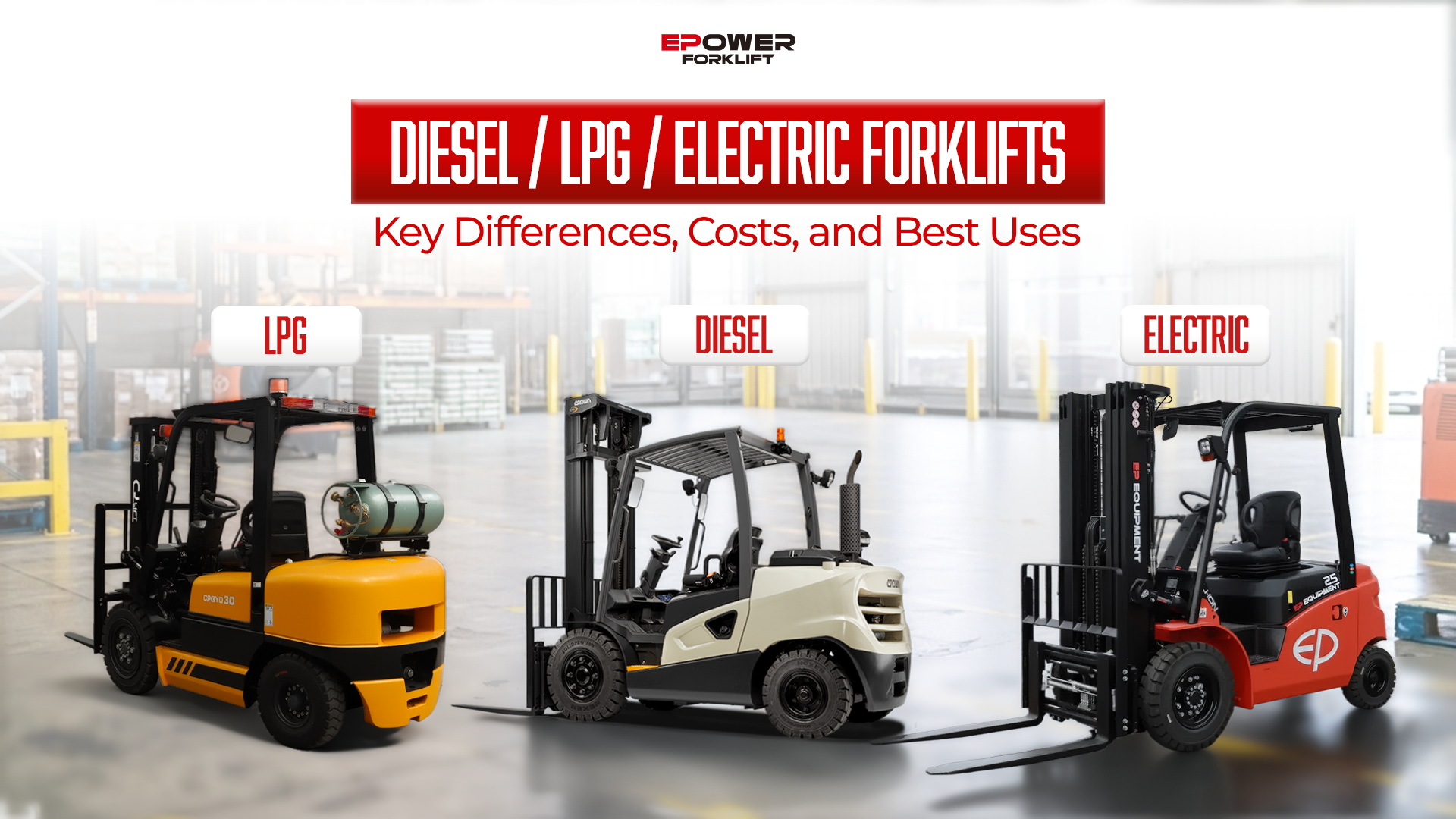
Quick Decision Guide*: Choose electric forklifts for indoor warehouses and low operating costs, LPG forklifts for flexible indoor–outdoor use, and diesel forklifts for heavy-duty outdoor operations.*In the material handling industry, diesel, LPG (propane), and electric forklifts are the three primary options used in warehouse and industrial operations. Each forklift type offers different advantages in terms of lifting capacity, operating costs, emissions, and maintenance requirements.Before selecting a forklift, businesses should evaluate several operational factors. These include the working environment (indoor or outdoor), required lifting capacity, daily operating hours, and available infrastructure such as charging stations or fuel supply. Companies should also consider long-term operating costs, maintenance requirements, and environmental regulations that may affect equipment selection.Understanding these factors helps ensure the chosen forklift aligns with operational needs and long-term cost efficiency.## 3 Types of Forklifts Compared in This Guide: Diesel, LPG, and Electric### What is a diesel forklift?A diesel forklift is powered by a diesel internal combustion engine and is commonly used for heavy-duty material handling applications. These forklifts are known for their strong engine performance, high torque, and ability to handle large loads in demanding environments.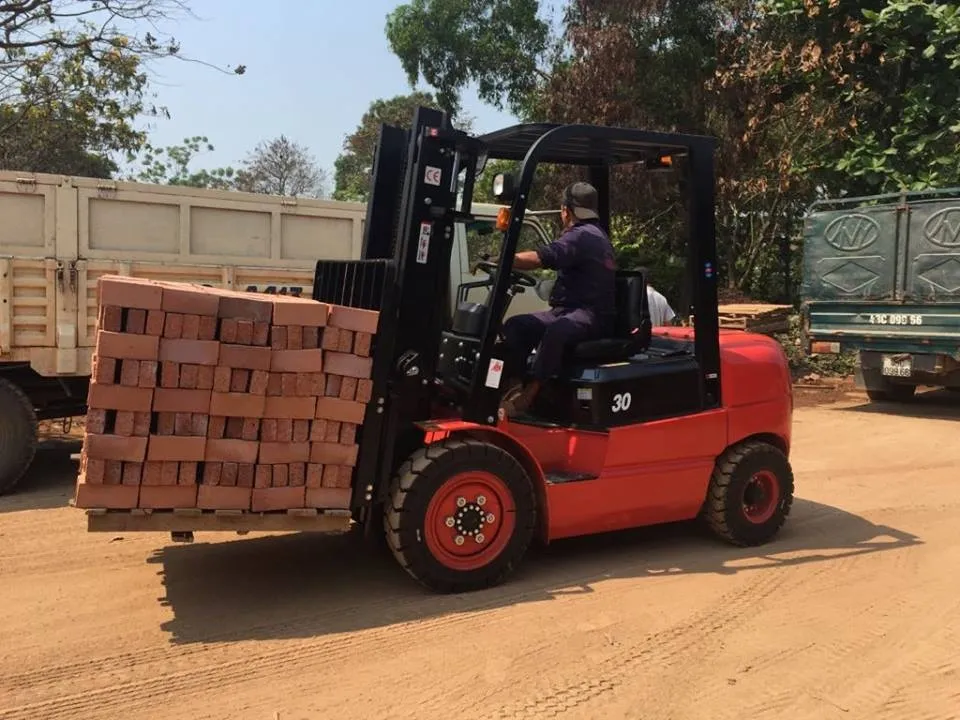 Diesel forklifts typically offer higher lifting capacities compared with electric or LPG models, making them suitable for industries such as construction, lumber yards, ports, and outdoor logistics operations. They also provide long operating hours and fast refueling, which supports continuous work in high-intensity applications.However, diesel forklifts generate higher exhaust emissions and noise levels than other forklift types. As a result, they are generally used in outdoor environments or well-ventilated industrial areas.Key features of a diesel forklift:- High lifting capacity for heavy-duty tasks
Strong engine power and torque
Long operating hours with quick refueling
Best suited for outdoor and rugged environments### What is an LPG forklift?An LPG forklift is powered by liquefied petroleum gas (propane) and is classified as an internal combustion forklift. It uses replaceable gas cylinders to fuel the engine, allowing for quick refueling and minimal operational downtime.
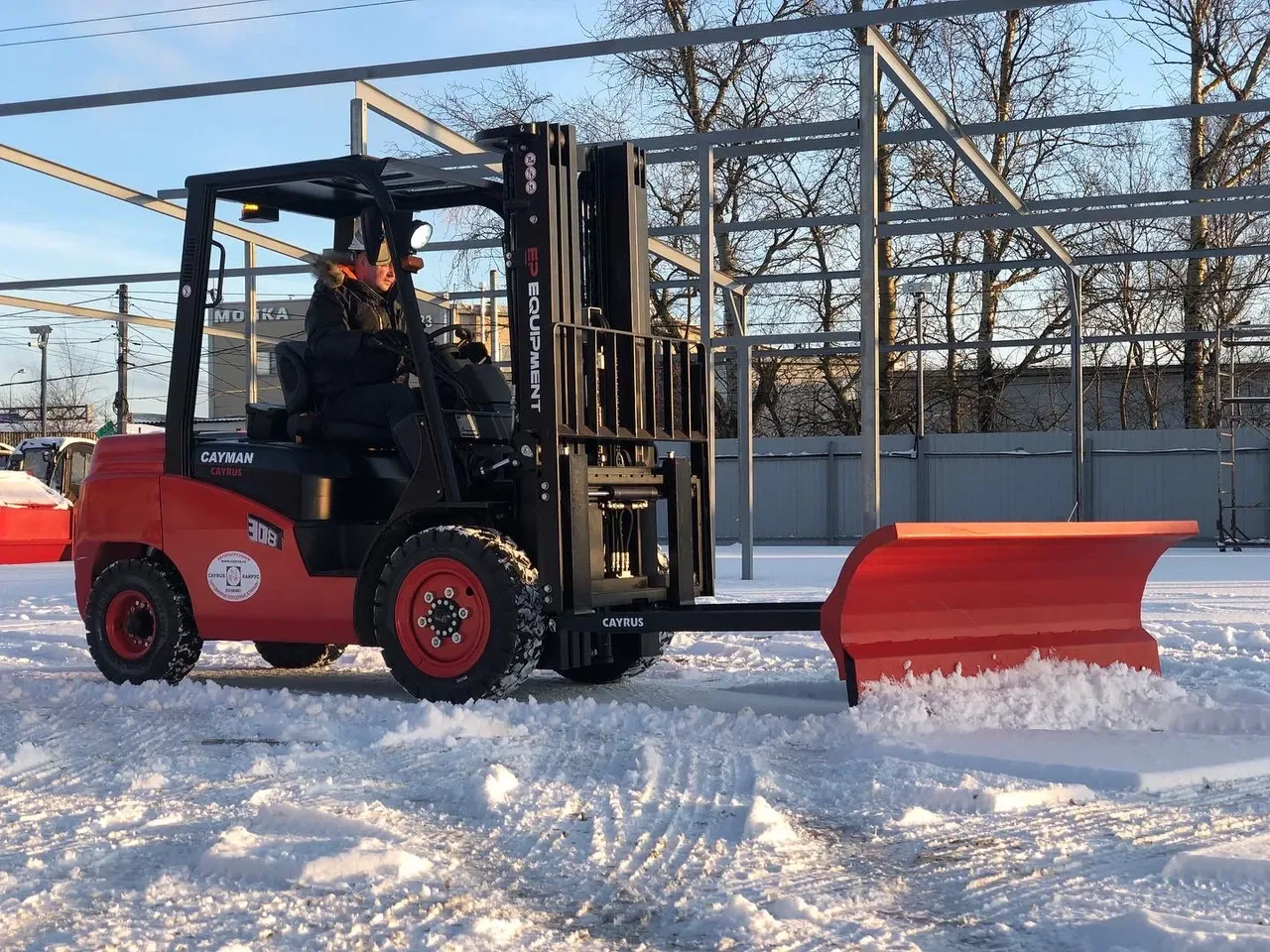 LPG forklifts are commonly used in environments that require flexible operation between indoor and outdoor spaces. Compared with diesel forklifts, LPG models produce cleaner combustion and lower exhaust emissions, which allows them to be used indoors when adequate ventilation is available.These forklifts deliver stable engine performance and consistent power output during long operating shifts, making them a practical choice for warehouses, manufacturing facilities, and logistics centers.Key features of an LPG forklift:- Powered by propane (LPG) cylinders
Lower emissions than diesel forklifts
Quick cylinder replacement for fast refueling
Suitable for both indoor and outdoor operations with ventilation### What is an electric forklift?An electric forklift is powered by a rechargeable battery instead of an internal combustion engine. Common battery types include lead-acid and lithium-ion systems, which provide the energy needed to drive the electric motor and hydraulic components.
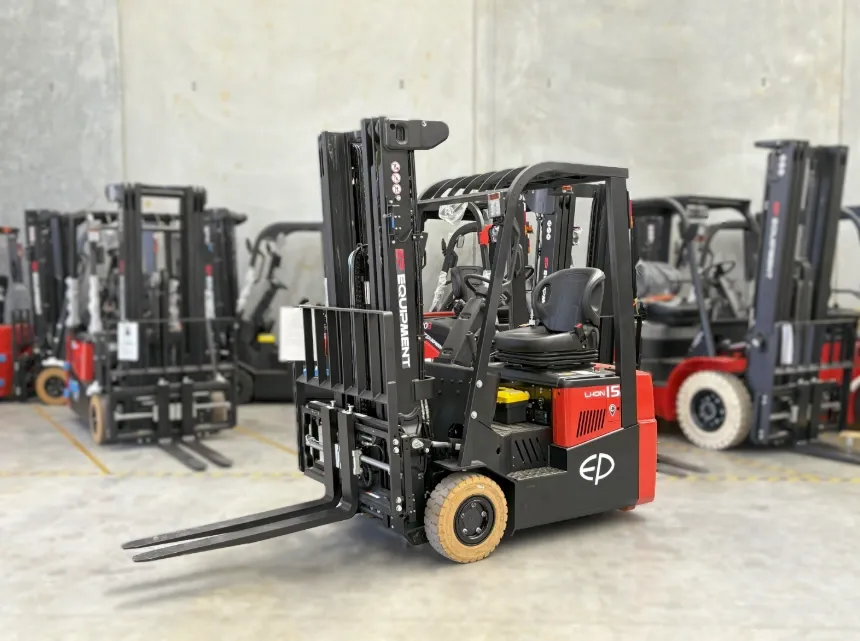 Electric forklifts are primarily designed for indoor warehouse environments where low emissions, reduced noise, and precise maneuverability are important. Because they produce zero exhaust emissions during operation, they are widely used in industries with strict air quality and safety requirements.Although electric forklifts require charging infrastructure and battery management, they offer smooth acceleration, quiet operation, and lower routine maintenance compared with internal combustion forklifts.Key features of an electric forklift:- Powered by rechargeable batteries (lead-acid or lithium-ion)
Zero exhaust emissions during operation
Quiet performance suitable for indoor environments
Lower maintenance due to fewer mechanical components## What are The Key Differences Between Diesel, LPG, and Electric Forklifts?Selecting the right forklift involves more than simply comparing power sources. Businesses should evaluate several operational factors to ensure the equipment fits their working conditions and long-term operational needs.### Power Source and PerformanceElectric forklifts run on battery systems and provide smooth acceleration and precise control, making them ideal for indoor warehouse environments.LPG forklifts use propane cylinders and deliver stable engine performance with relatively fast refueling, making them suitable for mixed indoor and outdoor operations.Diesel forklifts operate using diesel fuel and typically provide the highest torque and lifting capacity, making them ideal for heavy-duty outdoor tasks.### Emissions and Noise LevelsElectric forklifts produce zero exhaust emissions and operate quietly, which makes them ideal for indoor warehouses and environments where air quality is important.LPG forklifts generate lower emissions than diesel engines but still require proper ventilation when used indoors.Diesel forklifts produce the highest emissions and noise levels, which generally limit their use to outdoor environments or large industrial areas.### Total Cost of OwnershipElectric forklifts usually require a higher upfront investment due to battery systems and charging infrastructure. However, they often offer lower operating costs over time because electricity is typically cheaper than liquid fuels.LPG forklifts have moderate purchase and operating costs that depend largely on regional propane prices.Diesel forklifts may have lower purchase prices but can incur higher long-term fuel and maintenance costs due to engine servicing requirements.### Maintenance RequirementsElectric forklifts generally require less maintenance because they have fewer moving parts and no engine oil, filters, or exhaust systems.LPG forklifts require routine engine maintenance but typically experience less carbon buildup compared with diesel engines.Diesel forklifts require regular oil changes, injector servicing, and exhaust system maintenance, which can increase downtime and servicing costs.### Environmental ImpactElectric forklifts have the lowest environmental impact during operation because they produce zero exhaust emissions.LPG forklifts produce fewer emissions than diesel engines, but are not emission-free.Diesel forklifts generate the highest emissions, including carbon dioxide and particulate matter, which makes them less suitable for indoor environments.### Quick Comparison: Electric vs LPG vs Diesel Forklifts| Feature | Electric Forklift | LPG Forklift | Diesel Forklift | | -------------------- | ------------------------------- | -------------------------- | ----------------------- | | Power Source | Rechargeable battery | Propane (LPG) cylinder | Diesel fuel | | Typical Capacity | 3,000–15,000 lbs | 3,000–36,000 lbs | 8,000–52,000+ lbs | | Emissions | Zero emissions during operation | Lower than diesel | Highest emissions | | Noise Level | Low | Moderate | High | | Refueling/ Charging | Battery charging required | Quick cylinder replacement | Fast diesel refueling | | Maintenance | Low | Moderate | Higher | | Best Environment | Indoor warehouses | Indoor & outdoor use | Outdoor heavy-duty work |Key Highlights:- Electric forklifts are best suited for indoor environments such as warehouses, distribution centers, food-grade facilities, and cold storage operations. Their zero-emission operation and low noise levels make them ideal for enclosed spaces where air quality and worker comfort are important. They are also well-suited for businesses operating multiple shifts when equipped with lithium-ion batteries.
LPG forklifts provide a versatile solution for operations that require both indoor and outdoor use. They offer faster refueling compared to electric forklifts and cleaner emissions than diesel engines. This makes them a common choice for logistics facilities, manufacturing plants, and retail distribution centers that need flexible equipment.
Diesel forklifts are typically used for heavy-duty outdoor applications such as construction sites, ports, lumber yards, and container handling. Their higher lifting capacities and strong engine performance make them ideal for demanding environments where ventilation is not a concern.## Why Electric Forklifts Are Becoming the Preferred Choice?Among the three forklift types, electric models stand out for delivering efficient performance while meeting modern environmental and operational requirements—especially as sustainability regulations continue to tighten. Electric forklifts also help businesses reduce operational emissions and support broader sustainability goals in Australia. The Safeguard Mechanism requires high-emission facilities (≥100,000 tCO₂-e per year) to keep emissions within regulated baselines that support Australia’s target of reducing emissions by 43% from 2005 levels by 2030 and achieving net-zero by 2050. Companies must also track and report their emissions under the National Greenhouse and Energy Reporting (NGER) Scheme, making energy-efficient equipment increasingly important for compliance and long-term emission management. In this context, electric forklifts provide several operational advantages for businesses seeking both efficiency and lower emissions.Key advantages include:- Zero emissions and low noise levels
Instant torque and precise handling
Energy-efficient operation
Fewer moving parts, reducing servicing needs and lifetime costs
Consistent performance with extended operating time and efficient charging
Lower total cost of ownership over timeEPower Forklift provides electric forklift solutions designed to meet these operational demands. By integrating reliable electric drivetrains with advanced lithium-ion battery technology, EPower Forklift supports warehouses seeking lower energy consumption, reduced maintenance costs, and long-term operational efficiency. Electric forklifts are not only a cleaner option but also a practical investment for businesses focused on sustainable material handling.## ConclusionDiesel, LPG, and electric forklifts each serve different operational needs. Diesel models remain suitable for heavy-duty outdoor applications, while LPG forklifts provide flexibility for mixed indoor and outdoor environments. However, electric forklifts are increasingly becoming the preferred option for modern warehouses due to their zero emissions, quiet operation, and lower long-term operating costs.As Australia advances toward its national emissions reduction targets and net-zero goals, electric forklifts offer a practical and future-ready approach to material handling. EPower Forklift offers flexible purchase or rental options and expert guidance to help businesses choose lithium-ion powered electric forklifts suited to modern warehouse operations.Contact us today to learn more!