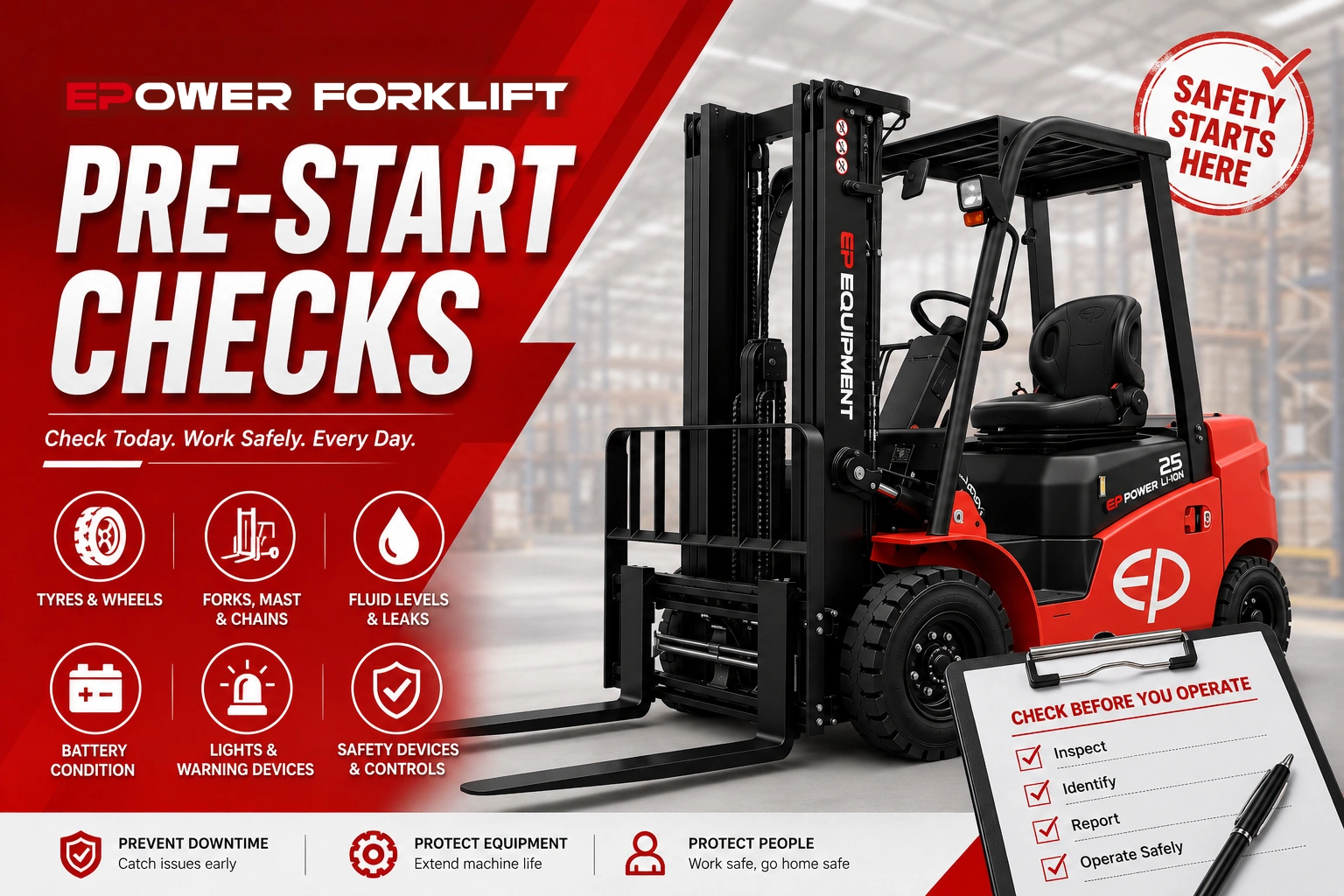
In Australian warehouses and distribution centres, the majority of forklift incidents aren't caused by operator error in the moment — they're caused by faults that were already present at the start of the shift. That’s why completing a proper pre-start checklist for electric forklift operators before every shift is a critical part of warehouse safety and equipment maintenance.
From tyres and forks to brakes, hydraulics, warning systems, and battery condition, a structured pre-start inspection helps identify issues early before they lead to costly downtime, damaged stock, or operator injuries. In this guide, we break down the essential electric forklift pre-start checks every operator should perform, what to do when defects are found, and how proper reporting supports safer and more efficient operations.
What Is an Electric Forklift Pre-Start Checklist ?
An electric forklift pre-start checklist — also called a pre-use or pre-operation checklist — is a structured inspection tool operators complete before starting a shift. It guides the operator through a systematic review of the forklift's mechanical condition, safety systems, and operational readiness.
The checklist covers two phases: a visual inspection conducted with the engine off, and an operational check performed after the engine is started. Together, they provide a complete picture of whether the machine is safe to operate.
Done correctly, a pre-start check does more than tick a compliance box. It catches developing faults before they become dangerous failures, extends the service life of equipment, and creates a documented maintenance trail that protects both the operator and the business.
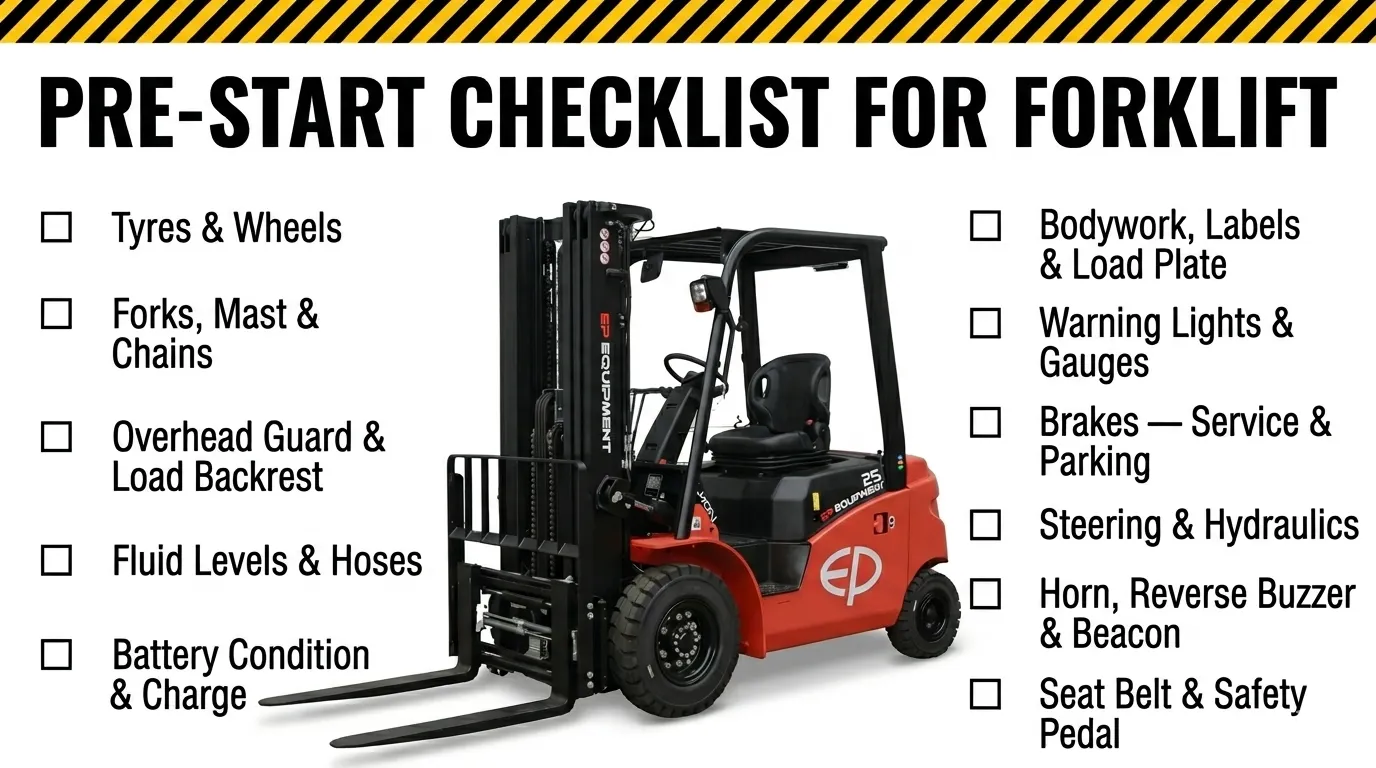
Forklift Pre-Start Checklist for Warehouse Operators
Tyres & Wheels
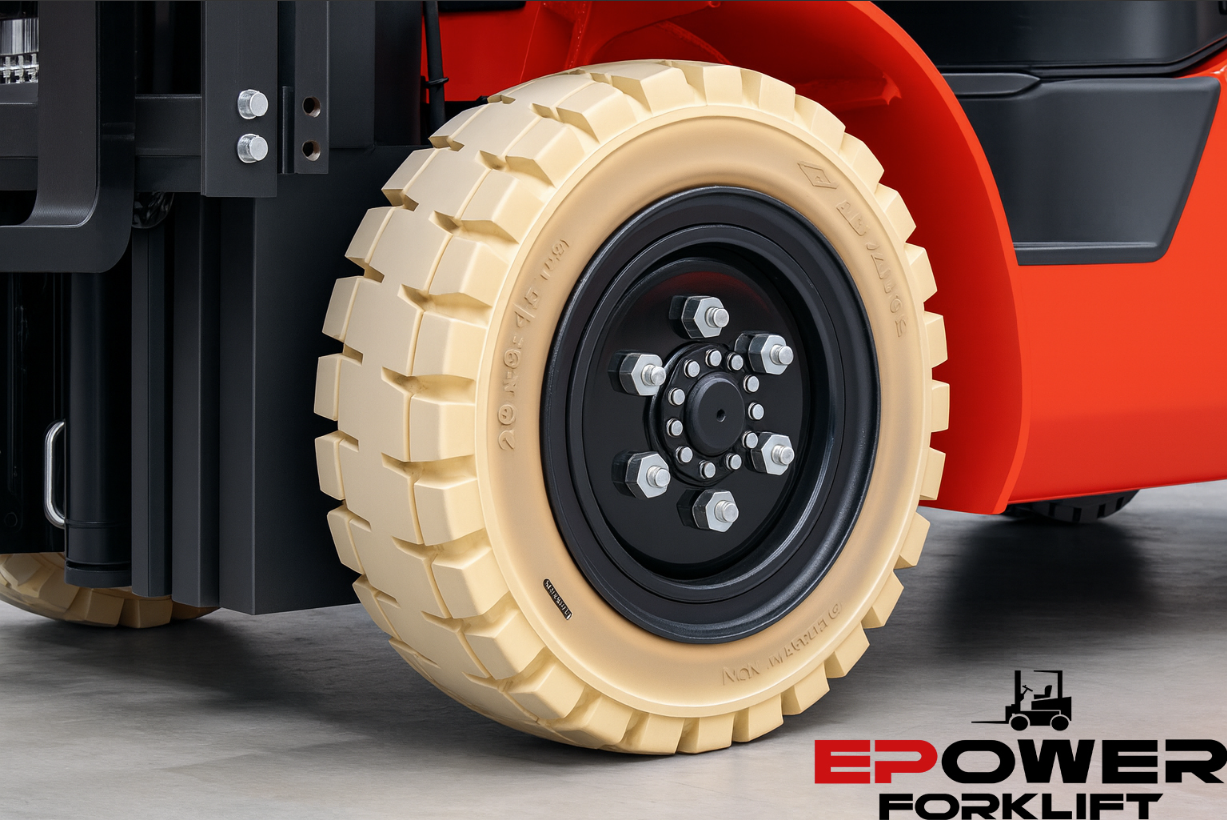
Check all tyres for cuts, bulges, excessive wear, or embedded objects. On pneumatic tyres, verify inflation pressure against the manufacturer's specification. Inspect wheel rims for cracks or damage and confirm that wheel nuts are tight. A tyre failure under load is not a recoverable situation — identify it here.
Forks, Mast & Chains
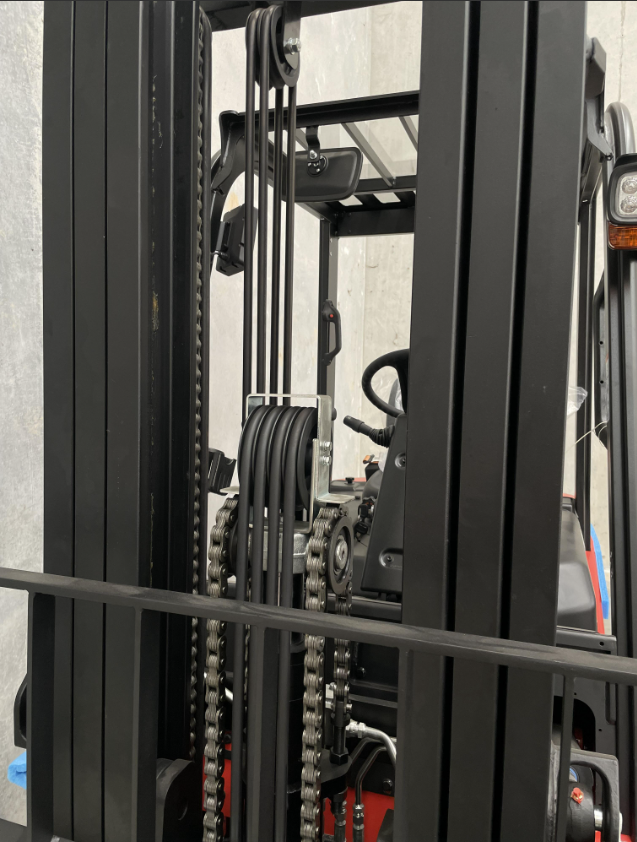
The forks are the most load-critical component on the machine. Inspect each fork for cracks, particularly at the heel — the bend point — and along the blade. Check that locking pins are seated correctly and that both forks sit level and evenly spaced. Inspect the mast for visible damage, and examine the lift chains for worn or damaged links, adequate lubrication, and correct tension. Chain anchor pins should be secure with no sign of stress or movement.
Overhead Guard & Load Backrest
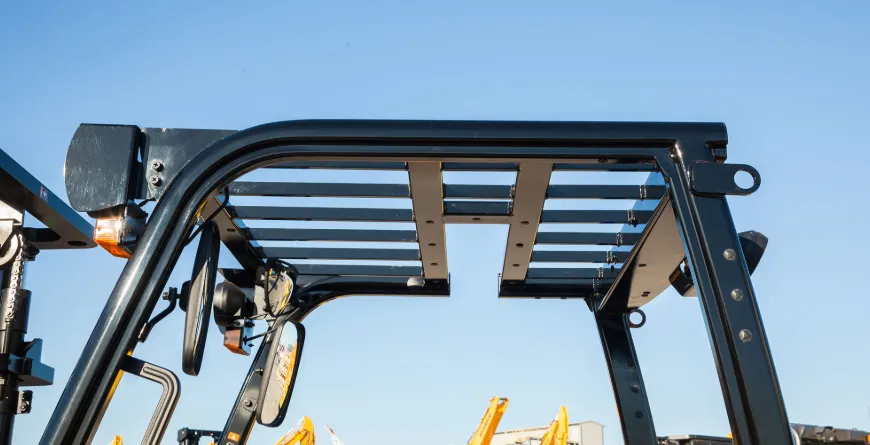
The overhead guard protects the operator from falling objects. Check that it is intact, undamaged, and securely mounted — a bent or cracked guard is not providing the protection it was designed for. Similarly, inspect the load backrest extension for damage or debris that could compromise its ability to contain a shifting load.
Battery Condition & Charge (Electric Forklifts)
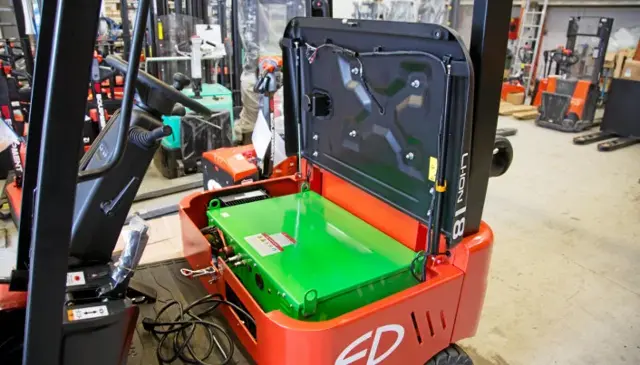
Battery inspection procedures differ significantly between lead-acid and lithium-ion systems. Applying the wrong routine to the wrong battery type can compromise battery integrity, void warranty coverage, and create unnecessary safety exposure.
Lead-Acid Battery Systems
Confirm the battery has completed its full charge cycle and any gassing has subsided before inspection. Check that the discharge indicator reads 75% or above, electrolyte levels are adequate and topped up with distilled water only if needed (chemical-resistant gloves and eye protection required), cable terminals are clean and tight, and the battery casing shows no cracks, swelling, or leakage. Confirm the battery is correctly seated with all retaining hardware and hatches secured. Any visible deformation or electrolyte leakage is a remove-from-service condition.
Lithium-ion Battery System
EPower's lithium-ion battery systems— equipped with an integrated Battery Management System (BMS) — require no electrolyte checks, no watering, and no equalisation cycles. Pre-start inspection is straightforward: confirm state of charge and verify no fault codes are active on the onboard display, inspect the battery connector and charging port for physical damage or heat stress, and confirm the compartment hatch is latched. The BMS continuously monitors cell voltage, temperature, and current in real time, flagging anomalies before they become operational issues. EPower lithium batteries also support opportunity charging between shifts without degrading battery chemistry or cycle life — rated for 3,000 or more full charge cycles.
Bodywork, Labels & Load Plate
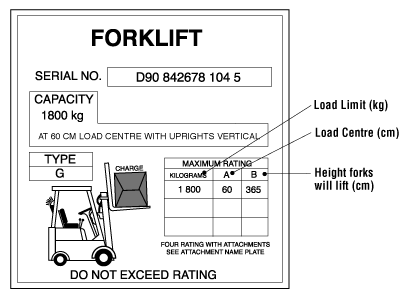
Do a final walk-around to check general bodywork condition. Dents or damage to panels can indicate underlying structural issues that need investigation. Confirm that all safety signage and operational stickers are legible, and — critically — that the load capacity plate is present, clearly readable, and Operating a forklift without knowing its rated capacity is a serious safety risk.
Warning Lights & Gauges
Allow the engine to run through its start-up cycle and observe the instrument panel. All warning lights should extinguish after initialisation. If any warning light remains on and you are unsure of its meaning, do not operate the forklift — check the operator manual or consult your supervisor. Verify that all gauges (fuel, temperature, battery discharge) are reading within normal operating ranges.
Brakes — Service & Parking
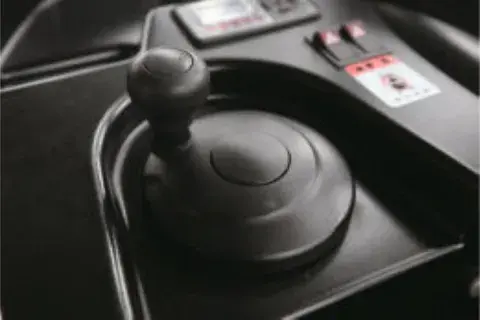
Test the service brake by applying firm, progressive pressure — it should feel consistent and bring the forklift to a controlled stop without pulling to one side. Test the parking brake independently; it must hold the machine stationary on the operating surface without assistance. Any sponginess, excessive travel, or weak holding force requires immediate attention before the machine goes into service.
Steering & Hydraulics
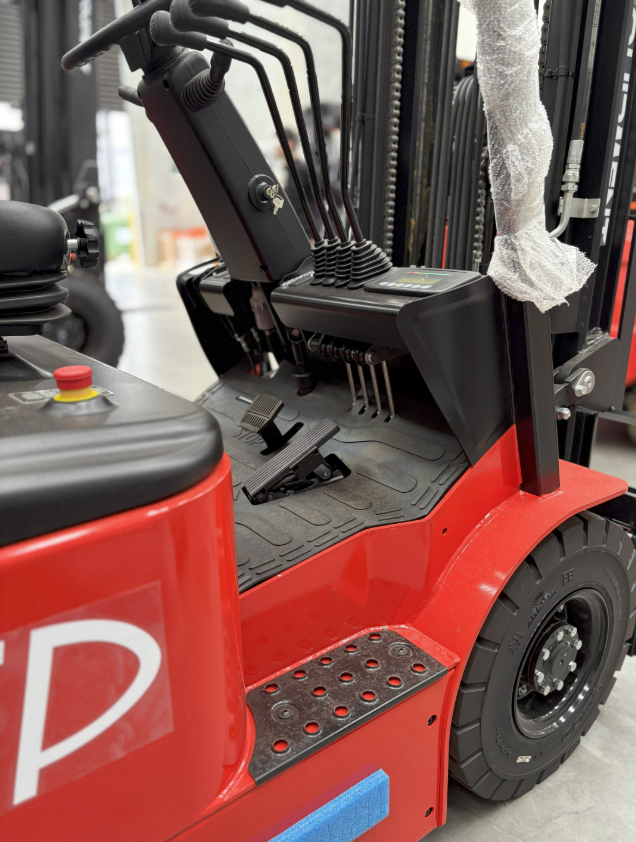
Turn the steering wheel smoothly from lock to lock. There should be no unusual resistance, binding, or excessive play. Then operate the hydraulic functions — raise and lower the forks through the full range of travel, tilt the mast forward and back, and engage any side-shift or attachment functions. Movement should be smooth and controlled, with no unusual noises, jerking, or hesitation. Any hydraulic drift (where the forks slowly lower under load without the control being activated) should be flagged for maintenance review.
Horn, Reverse Buzzer & Beacon
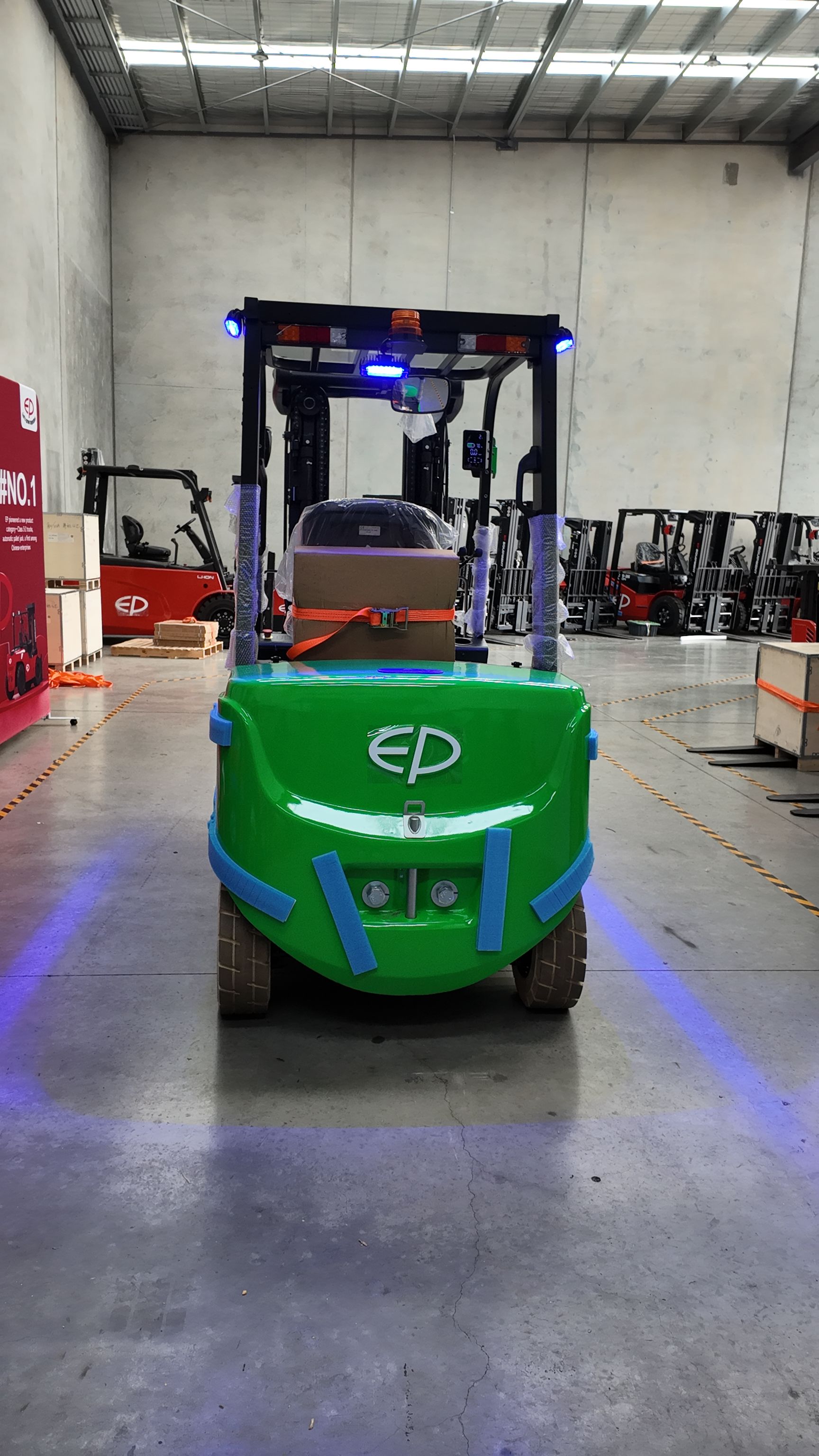
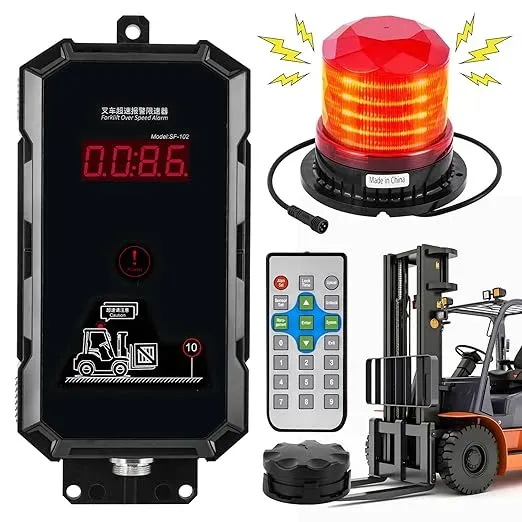
These are not optional extras — they are active safety systems. Test the horn, confirm the reverse buzzer activates when reverse is engaged, and check that the beacon (where fitted) is functioning. In operational environments with pedestrian traffic, a failed warning device must be treated as a fault that prevents operation.
Seat Belt & Safety Pedal
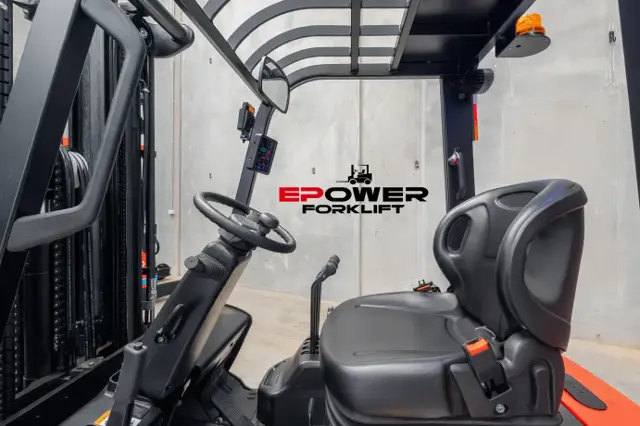
Fasten the seat belt and confirm the buckle latches and releases correctly without excessive wear. On forklifts equipped with a dead-man or safety pedal (which cuts motor power when the operator leaves the seat), test that the cutout activates as designed. This system is a last line of defence against runaway equipment — it must work every time.
What to Do If You Find a Defect
Finding a problem during a pre-start checklist for electric forklifts is not a failure — it's the system working exactly as intended. The response, however, must be immediate and non-negotiable.
- Do not operate the forklift. Tag the machine out of service using your site's lockout/tagout procedure.
- Report it immediately to your supervisor or maintenance team. Verbal reports should always be backed up in writing.
- Document the defect on the checklist with as much detail as possible — location, nature of the fault, and any photos if your reporting system allows it.
- Do not remove the tag or return the forklift to service until a qualified technician has inspected and signed off on the repair.
No production pressure, no tight deadline, and no instruction from a manager overrides the obligation to keep a defective electric forklift out of service. If you feel pressured to operate unsafe equipment, that is a workplace safety issue that should be escalated through your organisation's reporting channels.
Who Should Complete It — and How Often?
Every operator. Every shift. No exceptions.
Responsibility for the pre-start checklist sits with the licensed operator who will be using the electric forklift. This is not a task that can be delegated to a supervisor or assumed to be complete because another operator used the machine earlier in the day. Conditions change — a tyre can lose pressure between shifts, a fluid leak can develop overnight, a battery charge can drop unexpectedly.
In Australia, pre-start inspections are a regulatory obligation under each state's Work Health and Safety framework. WorkSafe Victoria, SafeWork NSW, and Workplace Health and Safety Queensland all require that equipment be inspected before use, with documented records that can be reviewed in the event of an incident. For warehouse and logistics operations across Melbourne's industrial precincts, Western Sydney, and Brisbane's distribution corridors, a missing or incomplete pre-start log is both a compliance gap and a legal liability.
Supervisors play a supporting role: reviewing completed checklists, signing off on weekly logs, and ensuring corrective actions are followed through. But the inspection itself belongs to the operator.
How to Record & Report Your Check
A pre-start inspection that isn't documented is an inspection that, legally and operationally, may as well not have happened. Every completed check should be recorded — whether on a paper logbook, a printed form, or a digital inspection app.
The record should capture: the date and shift, the operator's name and licence number, the forklift unit number, the results of each inspection item, any defects found and actions taken, and the operator's signature. Supervisors should review and countersign completed logs weekly as a minimum.
Digital checklists offer significant advantages over paper: they create a time-stamped, tamper-proof audit trail, allow photo documentation of defects, and generate automatic maintenance alerts. For fleet operators running multiple machines across multiple sites, a digital system is quickly becoming the industry standard — and for good reason.
Conclusion
A pre-start checklist is one of the simplest, highest-impact safety practices in any workplace that operates forklifts. It takes less than ten minutes. It costs nothing. And consistently applied, it prevents the kind of mechanical failures and accidents that cost businesses — and workers — far more than time.
EPower builds electric and lithium forklifts for Australian warehouses — but the best machine on the floor is still only as safe as the operator who checked it that morning.
Looking to upgrade your fleet, or need a maintenance plan for the machines you already run? Talk to the EPower team. We deliver Australia-wide, with on-the-ground service across Victoria.