
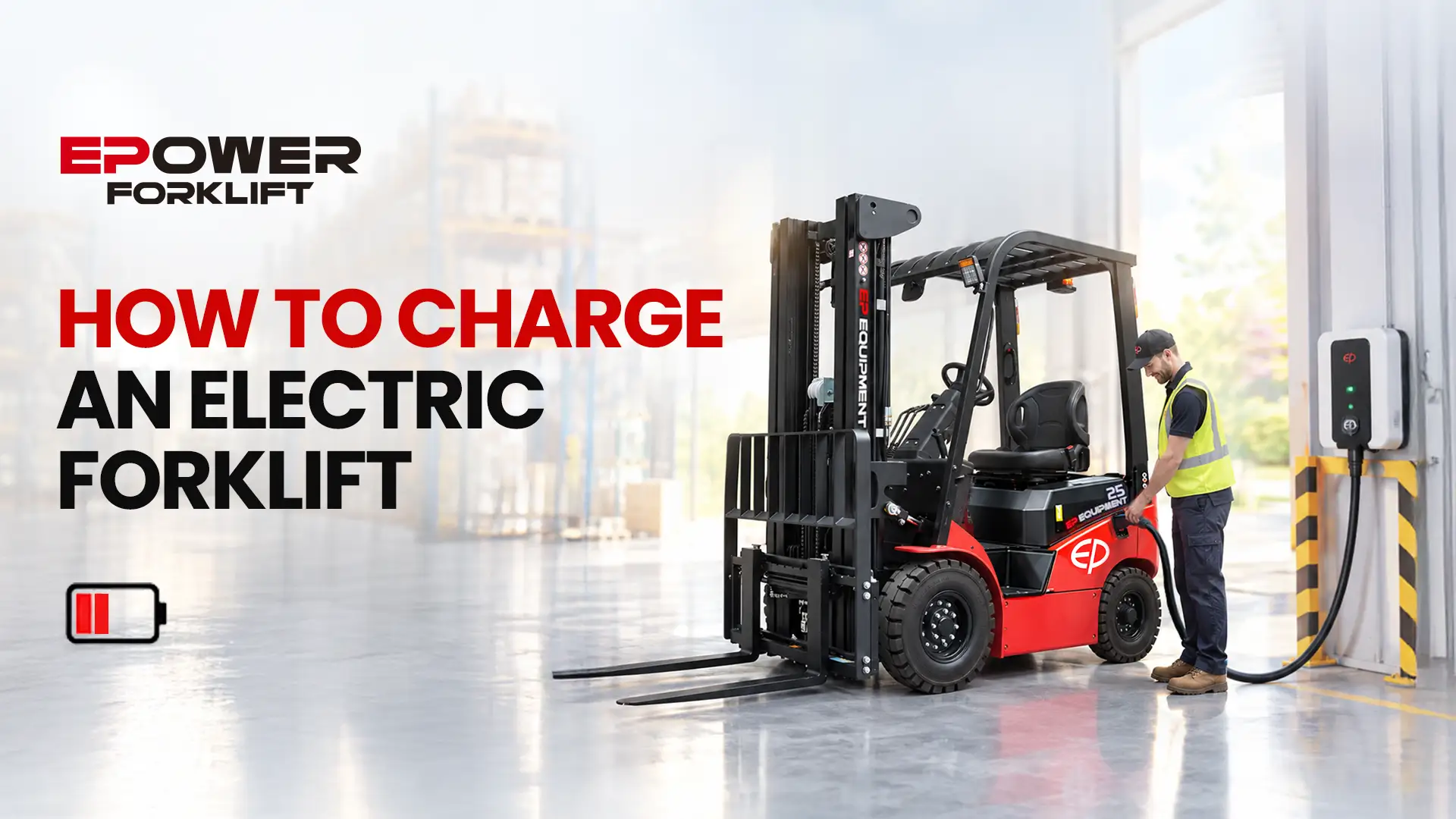
How to Charge a Lithium Electric Forklift: Step-by-Step
Lithium forklifts can usually be charged during normal breaks or other periods of inactivity. Here is the correct way to charge a lithium electric forklift.
EPower Forklift
EPower Forklift Latest News
Learn about forklift licences, safety rules, WorkSafe requirements, operator duties, employer obligations, and compliance tips for Australian workplaces.
Lithium forklifts can usually be charged during normal breaks or other periods of inactivity. Here is the correct way to charge a lithium electric forklift.
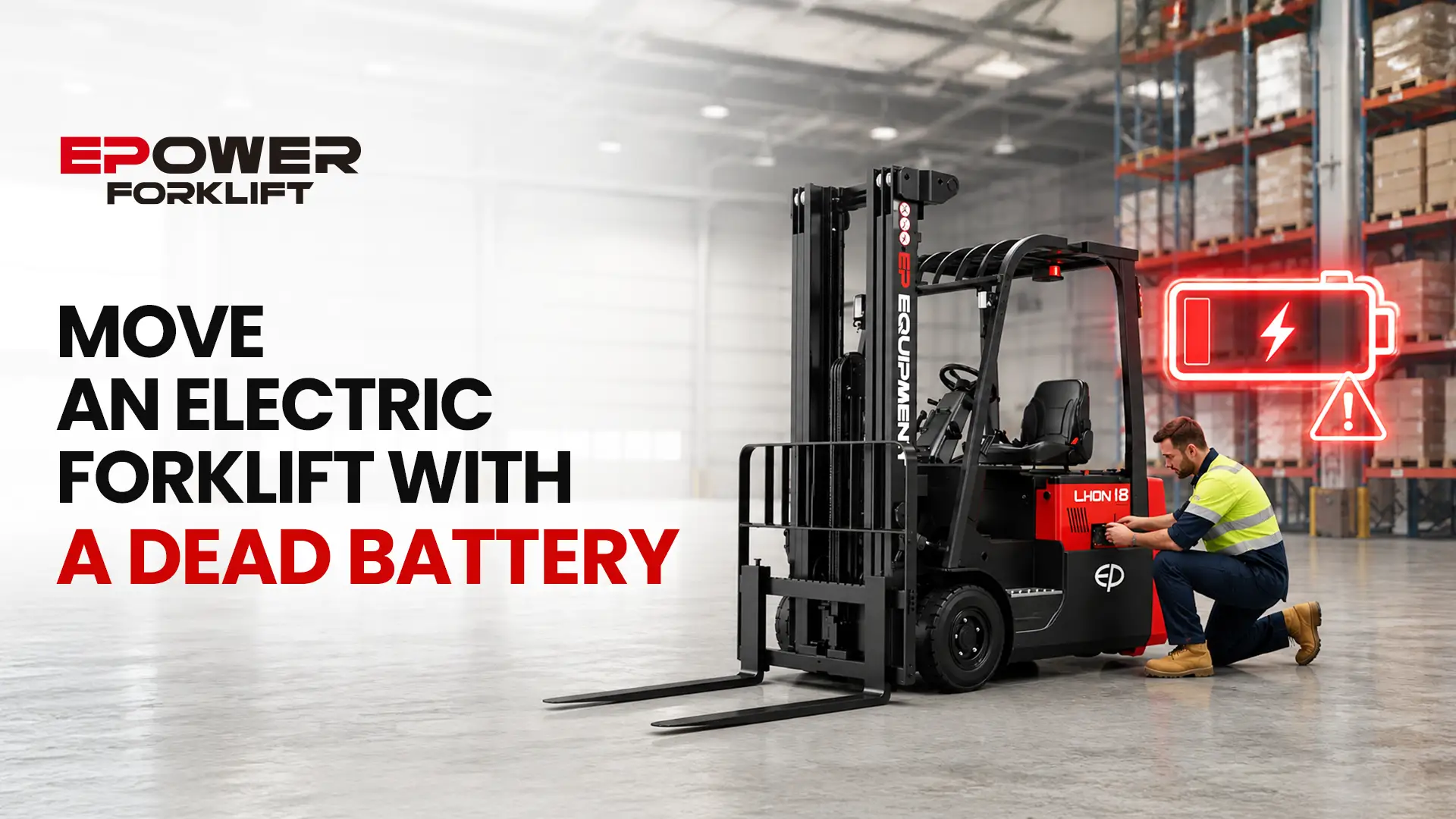
Learn how to move an electric forklift with a dead battery safely, including charging, brake release, towing, fault checks and when to call a technician.
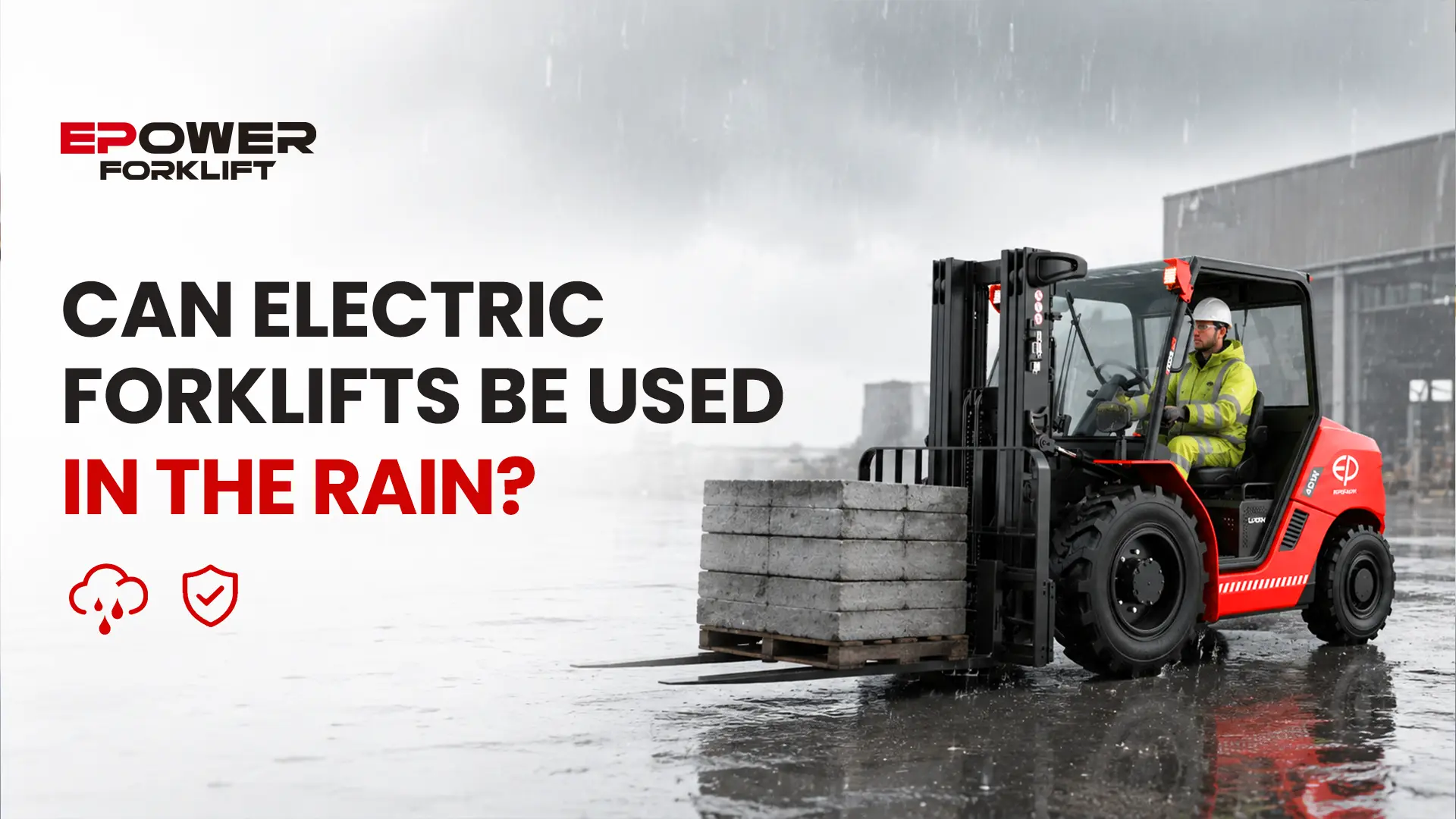
Can electric forklifts be used in the rain? Learn how ratings, surface conditions, visibility and charging controls affect wet weather operation.
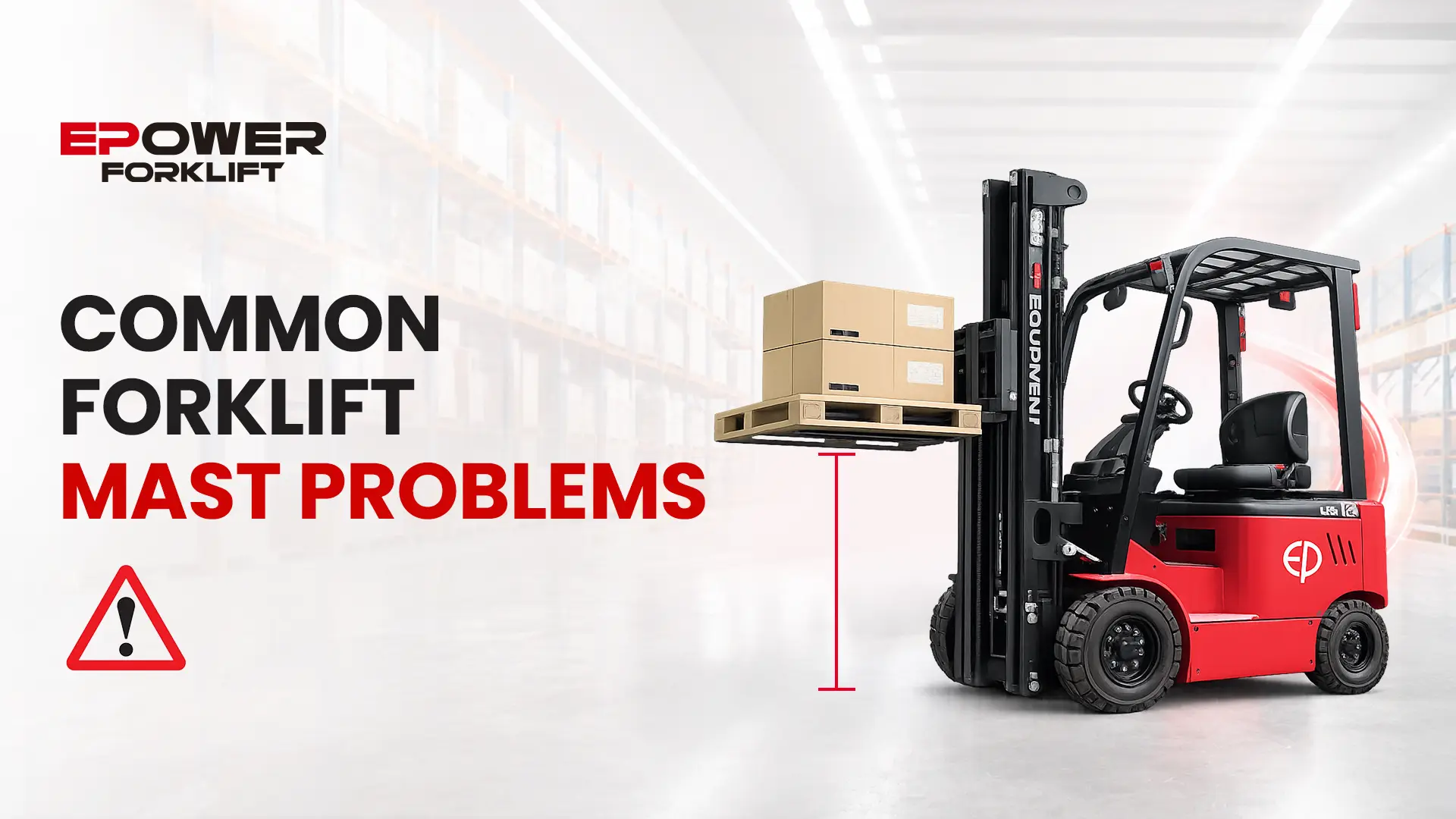
Learn common forklift mast problems, warning signs, possible causes and when to stop operation, tag out the forklift and call a qualified technician.
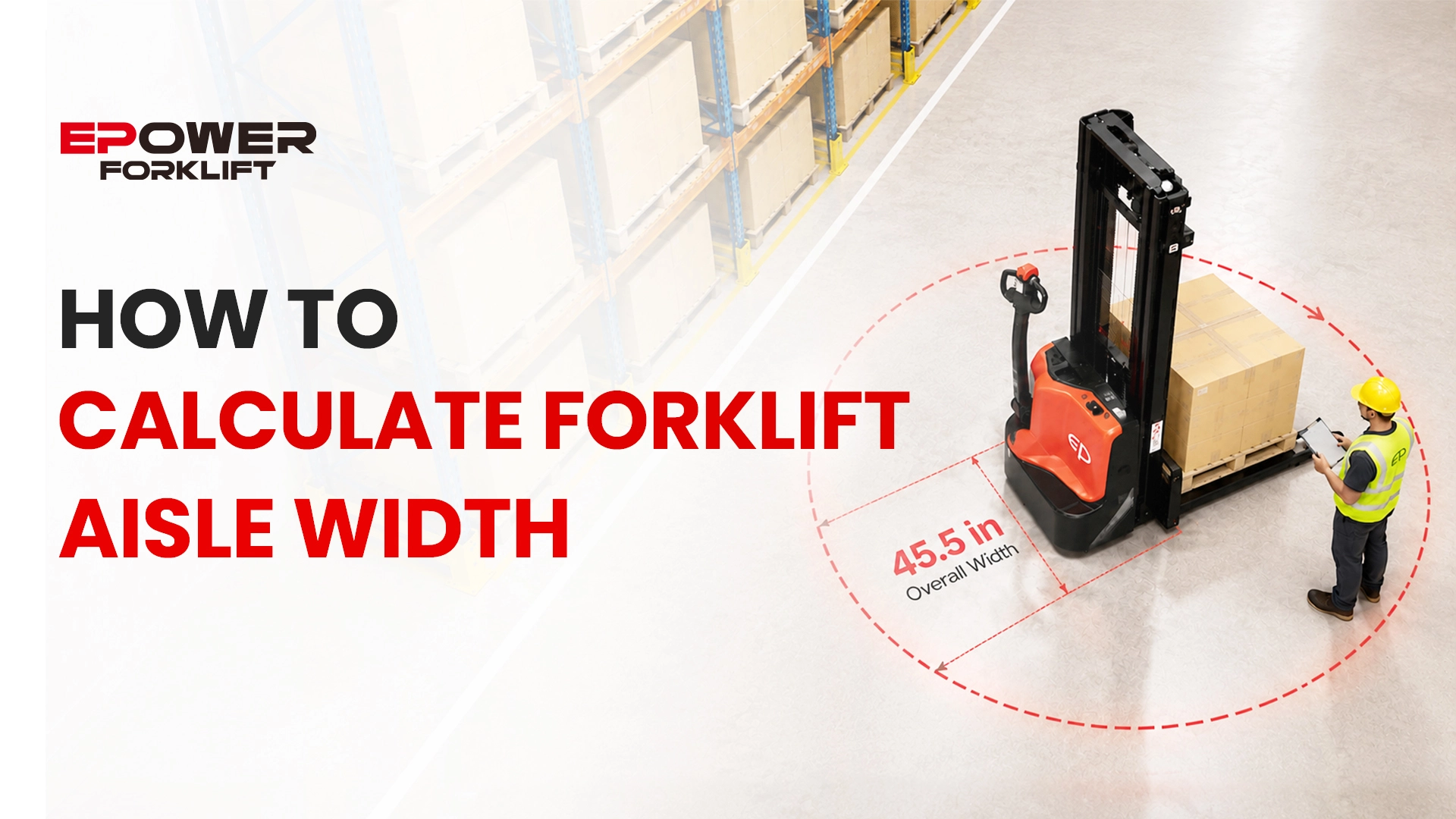
How to calculate the right forklift aisle width for Australian warehouses — Ast definition, planning inputs, reference ranges by equipment type, AS4084-2023 context, and FAQs.
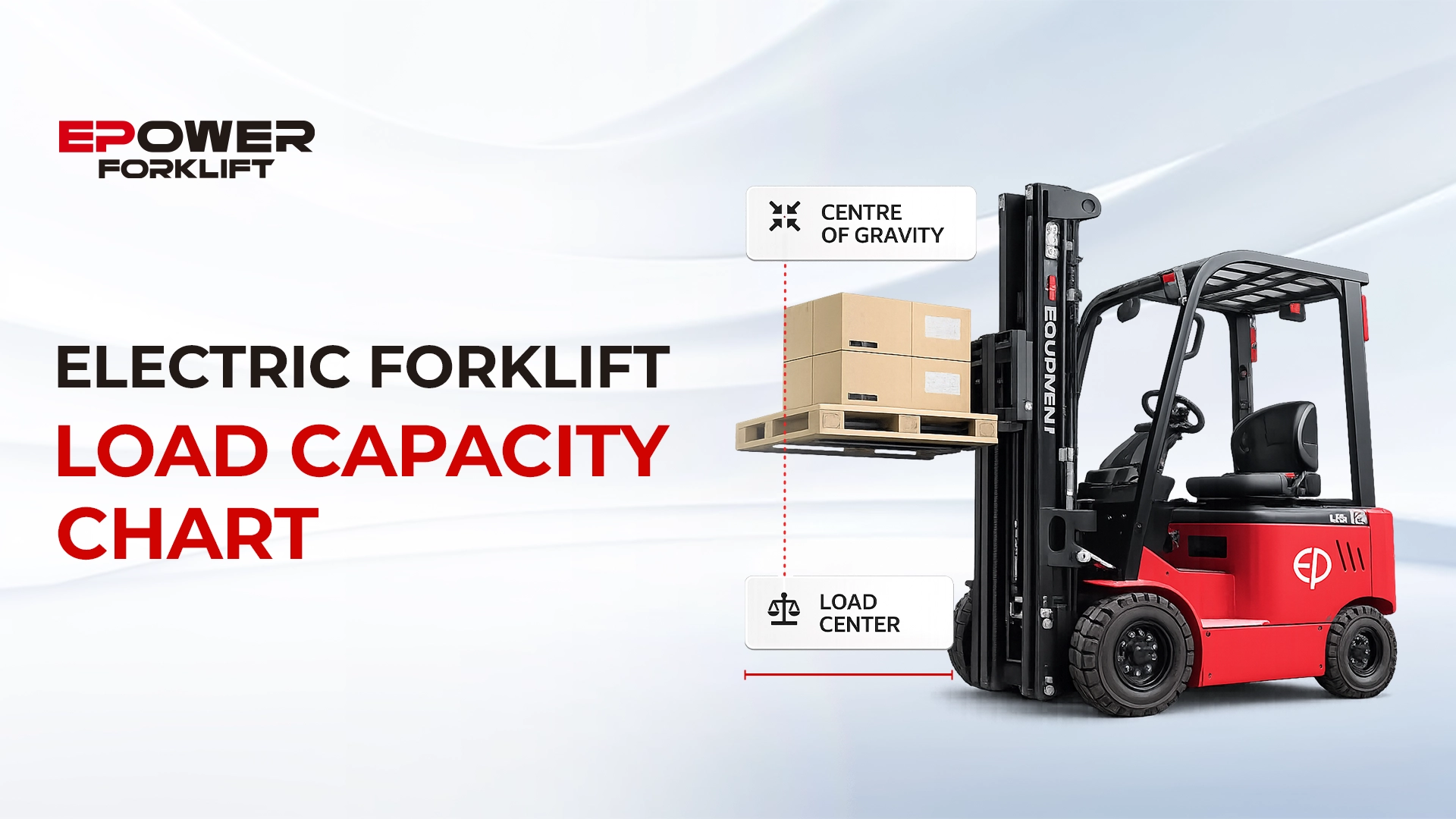
Understand how load centre, lift height and attachments affect electric forklift rated capacity, with practical steps for reading the load capacity chart safely.
Charging mistakes that shorten electric forklift battery life — deep discharge, interrupted cycles, wrong charger, temperature, storage protocol, and how to avoid them.
Practical pedestrian forklift safety tips for operators, walkers, and site managers in Australian warehouses — covering blind spots, communication protocols, physical separation controls, WHS obligations, and electric forklift-specific hazards.
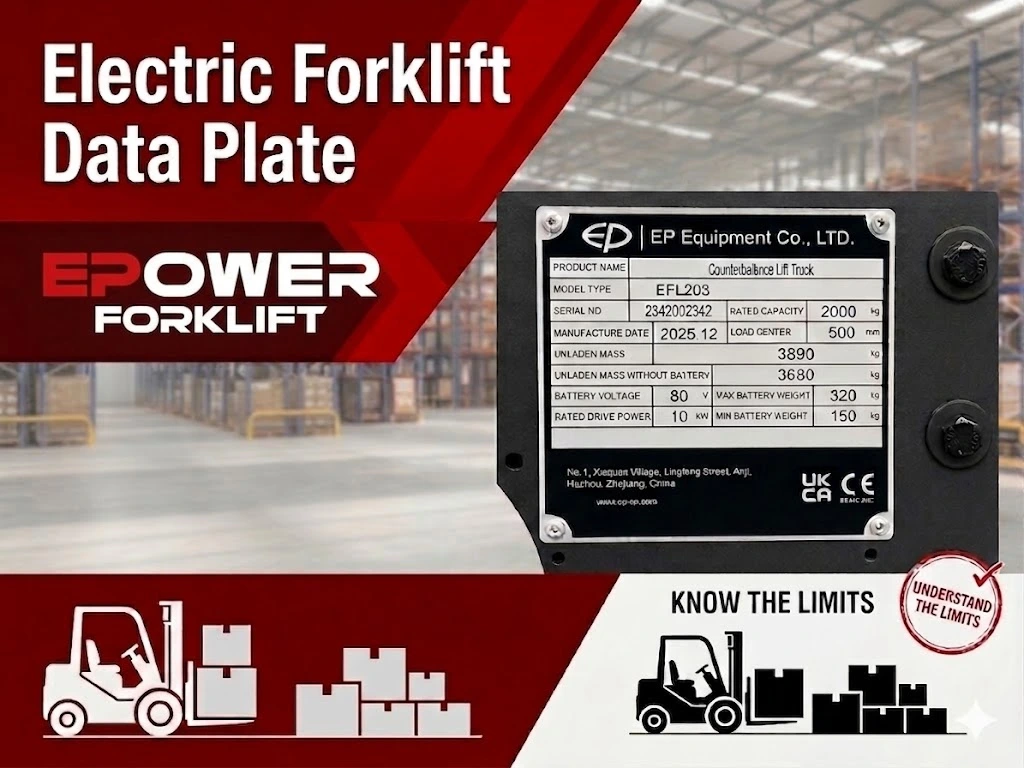
A complete guide to reading an EP electric forklift data plate — rated capacity, load centre, lift height, load capacity chart, attachment ratings, and AS 2359.2 legal requirements for Australian operators.
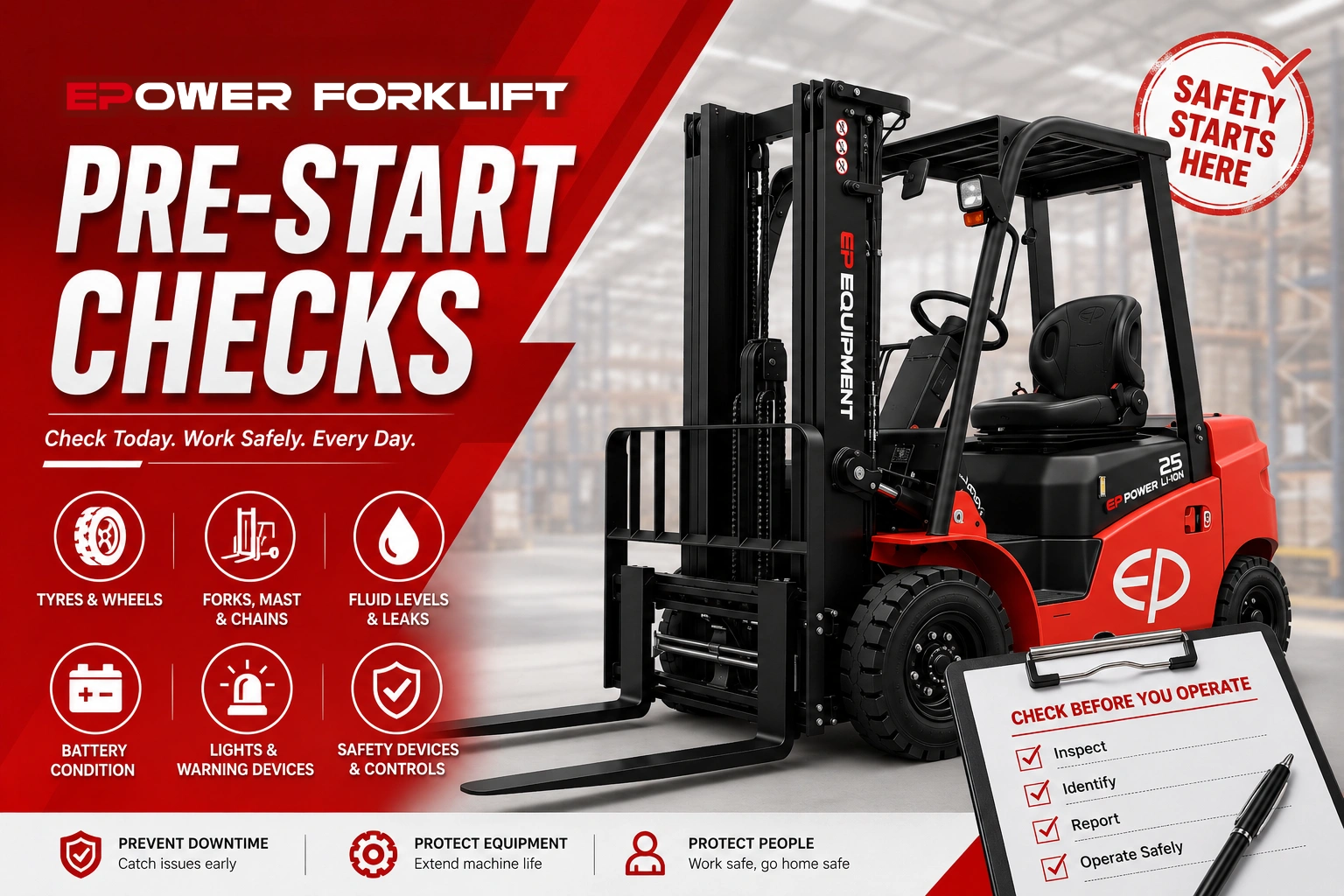
Follow this forklift pre-start checklist before every shift to improve workplace safety, reduce equipment failures, and keep operations running smoothly.